Why slowing down feels so hard
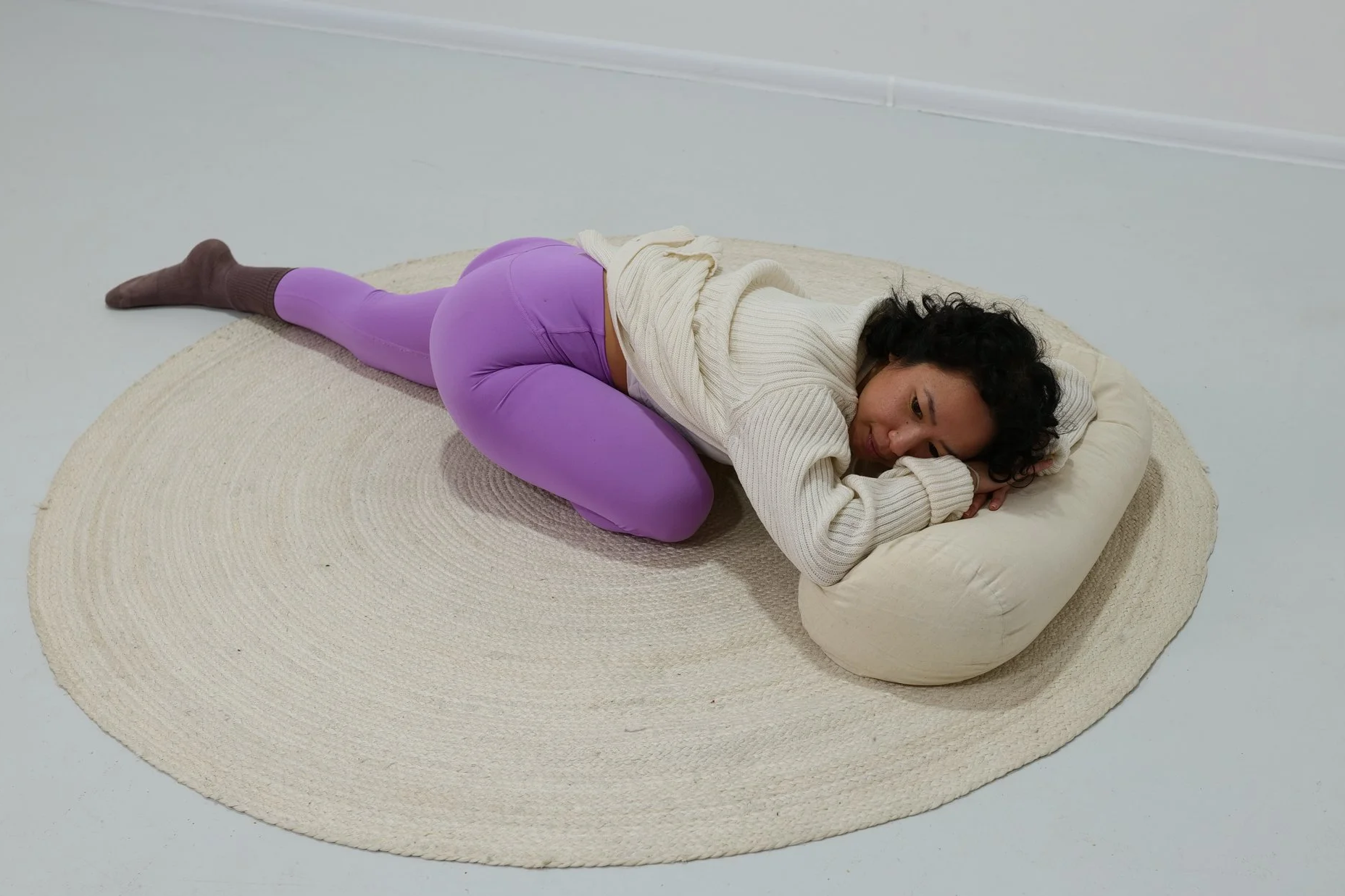
Slowing down is not a luxury for your hormones. It is part of how they find their rhythm again. And yet, for so many of the women I work with, slowing down is the hardest thing I could ask of them.
I know this from the inside. For years, my answer to my own body was to do more. More research, more discipline, more workouts, more plans. Resting felt like losing time. Sitting still felt almost uncomfortable.
What I understand now is that this pull to keep going is not a personality flaw. It is often a nervous system that has been in protection mode for a long time. And whether you live with PCOS, you are moving through perimenopause or menopause, or you simply feel disconnected from your body, that state affects your hormones more than I was ever told.
The stress loop, explained simply
Your stress response is designed to switch on and then switch off again. When you face a challenge, your brain signals your adrenal glands to release cortisol and adrenaline. Your heart beats faster, blood sugar rises to give you quick energy, and digestion, repair and reproduction are put on hold. Once the challenge passes, the system is meant to settle.
The problem is that modern stress rarely passes. Deadlines, notifications, caring for others, poor sleep, and yes, worrying about your symptoms, all send the same message: stay alert. When cortisol stays elevated for weeks or months, it starts to affect the rest of your hormonal system.
This is where the loop begins:
Ongoing stress keeps cortisol high.
High cortisol disrupts sleep, blood sugar and your cycle.
Poor sleep, cravings and unpredictable symptoms make you feel more out of control.
Feeling out of control is stressful, so the system stays switched on.
The loop feeds itself. And the usual response, trying harder, often adds one more layer of pressure to a body that is already asking for less.
How the loop shows up in different bodies
The mechanism is the same, but it can look very different depending on where you are in life.
With PCOS. Cortisol raises blood sugar, and higher blood sugar asks for more insulin. Since many women with PCOS already live with some degree of insulin resistance, this can nudge the ovaries toward producing more androgens. That can mean more acne, more hair changes, and a cycle that feels even less predictable.
Across your cycle. Your body treats reproduction as something that can wait when it feels under threat. Long stretches of stress can show up as a delayed or missed period, stronger PMS, or a cycle that no longer feels like your own.
In perimenopause. As estrogen and progesterone start to fluctuate, many women notice that their stress system becomes more reactive. Things that used to roll off now feel overwhelming. Sleep gets lighter, and night waking often lands in the early hours.
In menopause. Stress does not cause hot flushes, but many women tell me they are more frequent or more intense on high pressure days. Sleep, mood and energy are all closely tied to how settled the nervous system feels.
None of this means stress is the only factor, or that your symptoms are "just stress." Hormonal health is complex, and medical care matters. It does mean that calming your nervous system is one lever that is almost always worth pulling.
Why slowing down can feel so uncomfortable
If you have ever lain down to rest and felt your mind start racing, you are not doing it wrong. When your system has been in alert mode for a long time, busy starts to feel safe and stillness starts to feel strange. The moment you stop, everything you have been outrunning gets a chance to catch up.
That is why I don't think of slowing down as doing nothing. It is a skill. It is teaching your body, again and again, that it is allowed to soften. And like any skill, it gets easier with gentle, repeated practice rather than with force.
It also helps to know that slowing down is not the same as giving up. You are not choosing rest instead of taking care of your health. For a stressed hormonal system, rest often is the care.
Small ways to start slowing down
You don't need a retreat or an empty calendar. These are the practices I come back to most, with clients and for myself.
Check in before you change anything. Ask yourself: how is my energy right now, and what do I actually need? Writing it down for two minutes often tells you more than another hour of research.
Make your exhale longer than your inhale. Breathe in for 4, out for 6. A longer exhale is one of the simplest signals of safety you can send your nervous system. Five minutes is enough to feel a shift.
Breathe into your pelvis. Let the breath travel low, into the belly and pelvic floor, instead of staying high in the chest. This area often holds a lot of tension, especially around hormonal symptoms.
Try Yoga Nidra. It is a guided deep relaxation you do lying down, and it is ideal for anyone who finds sitting meditation frustrating. You don't have to do anything except listen.
I have a free Yoga Nidra for your, just click here.Practice doing less on the mat. Hold a supported pose for a few minutes. Use a bolster or pillows. Notice the urge to fix, adjust or push, and let it pass.
Consistency matters far more than length here. Ten minutes most days will do more than one long session when you remember.
If you'd like some guidance
If reading this felt familiar and you are not sure where to start, I created Soft Reset for exactly this. It is a gentle five day journey to slow down and reconnect with your body, whether you live with PCOS, are in perimenopause or menopause, or simply feel a little lost in your own body.
Each day brings one short practice:
Day 1: A journaling check in to notice where you are right now
Day 2: A Yoga Nidra (guided deep relaxation) to help you come back to a sense of safety
Day 3: A breathing practice with pelvic breathing and the slower 4:6 rhythm
Day 4: A soft Yin inspired hormone practice to release tension in the womb area and practice doing less
Day 5: A reflection to build your own daily reset to keep using afterwards
Bonus: Your soft reset guide
There is nothing to fix and nothing to push through. Just five days to tune in, max 15 minutes per day to allow your body to fully exhale.